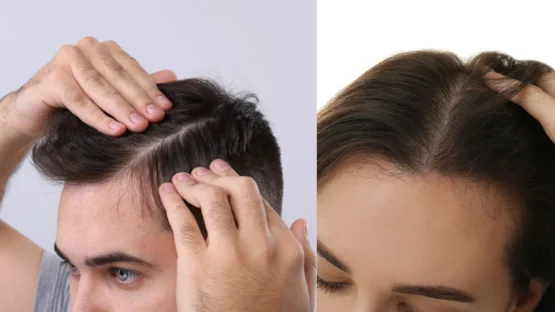
Experiencing hair loss for more than three years is mandatory to take immediate routine care. While hair loss can be frustrating, modern science has shown that a topical solution supports hair growth especially for male pattern hair loss.
If you are looking for a proven, science-backed solution for a receding hairline or a thinning crown, Minoxidil 5% for men, may support hair regrowth. Thoroughly researched and widely used in today’s science, Minoxidil has helped millions of men take control of their hair care journey.
In today’s science, Minoxidil is not only a proven solution but also a trendy hair growth topical solution. Let’s dive into the science behind it, how it works, its benefits, potential side effects and how to follow a proper daily routine for the best possible results.
What Is Minoxidil 5%?
Minoxidil is an FDA-approved topical medication specifically formulated to treat male pattern hair loss, clinically known as androgenetic alopecia. While it was originally developed decades ago as an oral medication for high blood pressure, researchers quickly noticed a fascinating side effect: unexpected hair growth. This discovery led to the development of the topical Minoxidil solution we use today.
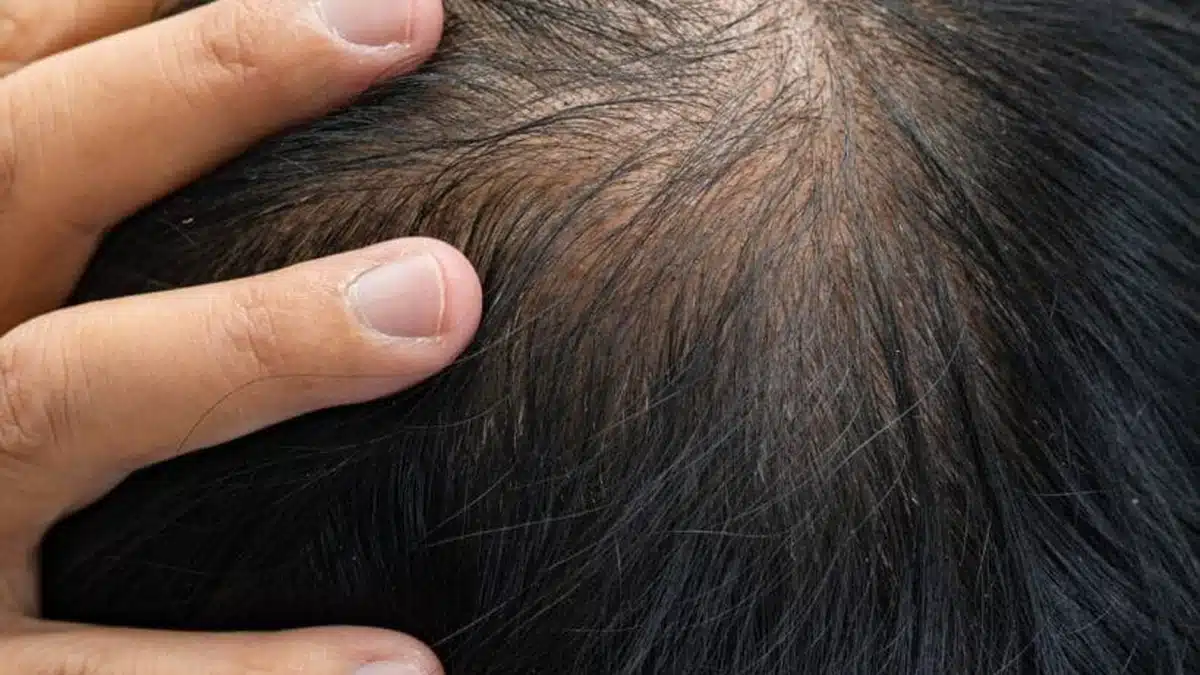
The 5% concentration is specifically formulated for men. It is most effective for individuals in the stages 1 to 5 of hair thinning, particularly those experiencing hair loss at the crown (the top back of the head). If your hair follicles are still active but forming thinner, weaker hairs, this medication can step in to help restore your hair. However, it is important to note that it is not meant for men who are completely bald(stage 7), as the hair follicles need to be alive to respond to the treatment.
Why Is Minoxidil 5% Used as a Topical Hair Growth Solution?

You might wonder why this medication is applied directly to the scalp rather than taken as a pill. By using Minoxidil as a topical hair growth solution, you apply the active ingredient directly to the exact areas where your hair follicles are struggling, which indicates the targeted action.
When applied to the scalp, the medication works locally. It penetrates the skin barrier to reach the hair follicles right at the source of the problem. This localized application significantly improves blood flow to the scalp, prolongs the active growth phase of your hair and stimulates follicles to produce thicker strands.
Crucially, applying it topically means there is minimal systemic absorption. This keeps the medication focused on your scalp, significantly reducing the risk of it affecting your blood pressure or causing unwanted hair growth on the other parts of your body.
Benefits of Minoxidil 5% for Men
Including Minoxidil as a treatment in your daily hair growth routine offers practical and cosmetic benefits:
- Helps reduce hair shedding: Regular use stabilizes the hair cycle, leading to less daily hair fall.
- Stimulates dormant hair follicles: It wakes up resting follicles, pushing them back into active production.
- Supports thicker-looking hair: As new hairs grow in, they often return thicker and stronger than the miniaturized hairs they replace.
- Improves overall hair density: Over time, the combined effect of less shedding and thicker strands creates a fuller look.
- Easy at-home application: The liquid or foam fits easily into a morning and evening grooming routine.
- Suitable for long-term use: When used consistently and as directed, it is a safe, long-term hair regrowth treatment.
The Science Behind Minoxidil 5%
To understand the topical solution, we should learn the natural hair growth cycle, which goes through four stages.
In males, a hormone called dihydrotestosterone (DHT) compresses the hair follicles. This process, known as miniaturization, shortens the Anagen phase. Eventually, the follicles only produce fine, invisible hairs or stop producing hair altogether.
While researchers are still mapping out the exact molecular mechanism of Minoxidil, the current scientific consensus points to vasodilation. As a vasodilator, it widens the blood vessels in your scalp. This increased blood flow delivers more oxygen, blood and nutrients directly to the follicles. More importantly, it artificially extends the Anagen (growth) phase and increases the physical size of the hair follicles.
The other side of Minoxidil’s crucial truth: there is NO guaranteed hair regrowth for everyone, for each individual the results are variable. It stimulates the follicles to grow despite the presence of DHT.
How to Use Minoxidil 5% Correctly
Your results depend heavily on how you apply the product. Proper scalp care and application ensure maximum absorption. Follow these steps for the best outcome:
- Wash and dry your scalp: Ensure your scalp and hair are completely dry before application. Applying to a wet scalp can dilute the product or cause it to absorb into the bloodstream too quickly.
- Apply the recommended amount: Usually, this is 1 milliliter (mL) of liquid solution or half a cupful of foam, twice a day.
- Spread gently: Part your hair to expose the thinning areas. Apply the solution directly to the scalp, not the hair. Use a scalp massager to gently massage and spread it across the affected area.
- Wash hands afterward: Thoroughly wash your hands with soap and water to prevent accidental hair growth on your fingers or face.
- Use consistently as directed: Stick to your twice-a-day schedule.
Remember, consistency is more important than applying. Using more than the recommended amount will not speed up hair growth; it will only increase the risk of side effects.
When Can You Expect Results?
Patience is a requirement when treating male pattern baldness. Hair grows slowly (about half an inch per month), so changes take time to become visible.
- Month 1: You might notice temporary shedding. This is a common and positive sign! It means the medication is pushing old, resting hairs out to make way for new, stronger growth.
- Month 2–3: The initial shedding should stop, and you will likely notice your daily hair fall starting to reduce.
- Month 3–6: This is when early visible improvement typically begins. You may see fine, unpigmented hairs sprouting, which will gradually thicken and darken.
- Month 6–12: By the one-year mark, you will see the maximum potential results.
Results vary significantly between individuals. Give the treatment a full six months before deciding if it is working for you.
Possible Side Effects of Minoxidil 5%
- Mild scalp irritation: The most common issue, often caused by the alcohol or propylene glycol in liquid formulas.
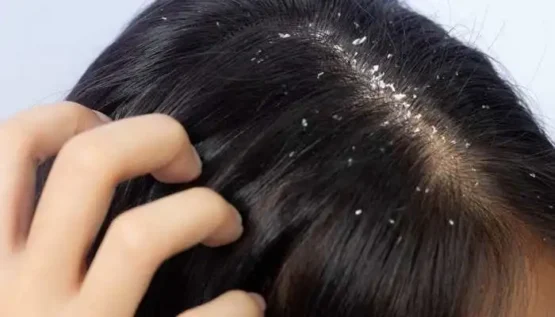
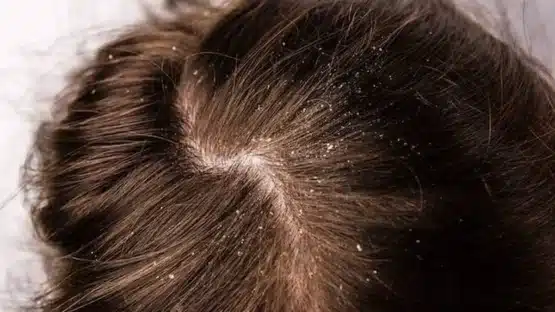
- Dryness and flaking: You might experience a dry, dandruff-like flaking on the scalp.
- Itching and redness: Mild itching at the application site is common during the first few weeks.
- Temporary shedding: As mentioned, increased hair fall during the first month is normal.
- Rare allergic reactions: Dizziness, rapid heartbeat, swelling of the face, or chest pain are highly uncommon but serious.
Conclusion
Dealing with a receding hairline or thinning crown can feel overwhelming, but science provides effective solutions. Minoxidil 5% for men’s hair growth remains one of the most functional, accessible and trusted treatments for male pattern baldness. By extending the hair’s natural growth phase and increasing blood flow to struggling follicles, it offers a realistic way to reduce shedding and improve hair density.
The secret to success with this treatment comes down to two things: setting realistic expectations and maintaining absolute consistency. It will take a few months to see changes and you must make it a permanent part of your daily routine to keep your results. Remember, while it is not a guaranteed cure for everyone, taking action early gives you the absolute best chance at preserving and restoring your hair.
Not sure whether Minoxidil 5% is right for your stage of hair loss? Take the free Zylk Hair Quiz to identify your hair loss stage and receive personalized product recommendations and a guided hair care routine.
Frequently Asked Questions
What is Minoxidil 5% used for?
Zylk Minoxidil 5% is a topical solution designed to help manage hereditary hair loss in men. It works by increasing blood flow around the hair follicles and extending the hair’s active growth (anagen) phase. With consistent use, it may help reduce hair shedding, support healthier-looking hair, and encourage the growth of thicker, fuller strands.
Can Minoxidil regrow hair? Yes, it can stimulate hair follicles to regrow hair in areas where the hair has thinned, provided the follicles are still alive. It is highly effective for improving hair density.
Does Minoxidil work for everyone? No. It works for about 40–60% of men. Effectiveness depends on your genetics, how long you have been losing hair, and your consistency with the application.
Can I stop using Minoxidil? You can, but any hair you regrew—or maintained—while using the treatment will fall out within 3 to 4 months. To keep your results, you must use it continuously.
How long should I use it? Because androgenetic alopecia is a progressive condition, you need to use this treatment indefinitely to maintain your results. Think of it like brushing your teeth—a daily habit for long-term health.
Can I use Minoxidil with a scalp massager? Yes. Using a gentle silicone scalp massager before application can help improve blood circulation and prep the scalp, but avoid aggressive scrubbing that could damage hair follicles.
Can Minoxidil be used with a derma roller? Yes, micro-needling with a derma roller can enhance the absorption of topical treatments. However, you should wait at least 24 hours after using a derma roller before applying the solution to avoid severe irritation and systemic absorption.
Does Minoxidil treat DHT? No. It acts as a growth stimulant and vasodilator. It does not block or lower dihydrotestosterone (DHT) levels. For complete care, many men combine it with DHT-blocking treatments under a doctor’s supervision.
Is shedding normal in the first use of Minoxidil? Yes, shedding during the first 2 to 6 weeks is completely normal. It is a sign that the resting hairs are falling out to make room for new, thicker hair during the prolonged Anagen phase.