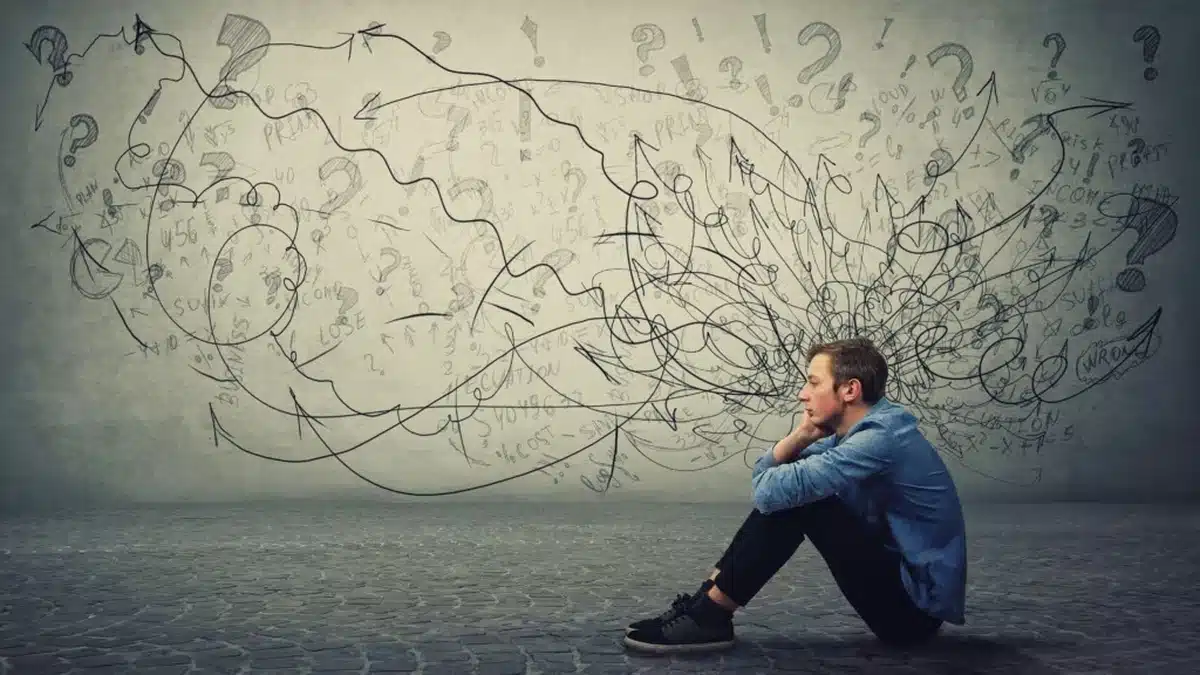
The term stress, we all have been going through this at some point in our life which is invisible and difficult to explain the reason yet creates a chain reaction. Whether at work or maybe you are dealing with a heavy personal issue. A few weeks later, you may notice your hands through your hair in the shower and significantly more strands coming loose than usual.
It makes us panic easily and this sudden hair loss moment again adds more stress to our life.. Finding extra hair in the drain or on your pillow can feel alarming.
Occasional stress is a normal part of life, but prolonged periods of anxiety can take a toll on your overall well-being. Because your body operates as a connected system, your emotional state often shows up physically and your hair is one of the first places it manifests. In this guide, we will explore exactly how stress affects your hair, why it happens and what you can do to get your healthy hair growth back.
What Is Stress?
Before understanding how your mental state impacts your hair, we first need to look at what stress actually does inside your body. When you encounter a stressful situation, your brain sends a signal to release a surge of hormones, primarily adrenaline and cortisol. This is completely natural. There are two main types of stress you experience. The first is acute stress, which is short-term. Think of the sudden shock you feel when you have to hit the brakes hard while driving. Your heart races, but once the danger passes, your body quickly returns to baseline.
The second type is chronic stress. This is the persistent, ongoing pressure from things like demanding jobs, financial worries or long-term relationship troubles. When you deal with emotional stress for weeks or months on end, your body gets stuck in that heightened alarm state.
During chronic stress, your cortisol levels remain constantly elevated. Cortisol is often called the “stress hormone.” While it is essential for keeping you alert, too much of it for too long disrupts your internal balance.
When your body believes it is fighting for survival, it has to make tough choices about where to send its resources. It prioritizes critical functions like your heart, lungs and muscles. Unfortunately, hair follicles are considered non-essential. As a result, the systems responsible for keeping your hair thick and vibrant are temporarily pushed to the back burner.
How Does Stress Affect Your Hair?

It helps to understand how your hair behaves when everything is perfectly balanced. Your hair does not just grow continuously; it lives in a precise, four-stage hair growth cycle.
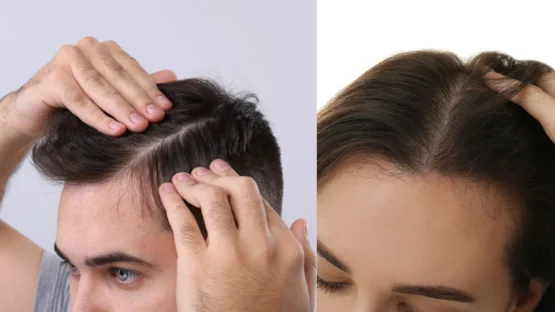
Stress-related hair loss happens when this sensitive cycle gets interrupted. A major emotional or physical shock can force a large number of your hair follicles to prematurely exit the growing phase (Anagen) and shift directly into the resting phase (Telogen).
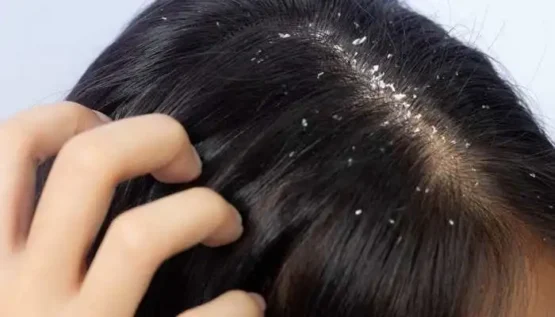
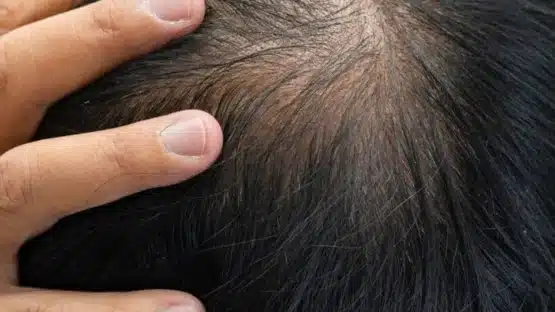
In the medical world, this condition is known as telogen effluvium. When you have telogen effluvium, the normal rhythm of your scalp becomes imbalanced. Instead of losing the typical 50 to 100 hairs a day, you might start losing two or three times that amount.
The tricky part about this process is the delay. Because the resting phase lasts for a few months, you usually will not notice the increased hair shedding right when the stressful event occurs. The hair fall typically begins two to three months after the initial trigger.
Why Does Stress Cause Hair Loss?
We know that a stressful event triggers the shedding, but why exactly does the body react this way? The truth is, why stress causes hair loss comes down to a complex mix of biological reactions. High cortisol directly impacts the function and regulation of the hair follicle. It can degrade the substances in your skin that keep the hair anchored and nourished, making it easier for strands to shed prematurely.
Then there is the issue of a reduced nutrient supply. When you are deeply stressed, your blood vessels often compress. Blood flow is redirected away from your vital organs and your scalp. This means your hair follicles are starved of the oxygen and essential nutrients they need to build strong hair shafts.
Without enough rest, your body cannot maintain healthy hair growth.
Stress also creates hormonal imbalances. The endocrine system is highly sensitive to emotional burnout. When stress throws your hormones out of whack, it can trigger secondary issues that weaken hair, similar to the hormonal shifts seen during pregnancy or thyroid fluctuations.
Inflammation plays a quiet but destructive role as well. High anxiety promotes widespread inflammation throughout the body, compromising your overall scalp health. An inflamed scalp creates a hostile environment for hair to thrive, leading to weaker, thinner strands.
Emotional stress often leads to poor eating habits. You might skip meals or reach for comfort foods that lack the vitamins, iron and proteins your hair desperately needs.
Ultimately, weakened hair follicles are the result of all these factors compounding. Poor diet, lack of sleep, hormonal shifts and restricted blood flow work together to hit the pause button on your hair cycle.
Can Stress-Related Hair Loss Be Recovered?

Yes, stress-related hair loss can absolutely be recovered in most cases. Because the follicles are resting, not dead, the key to hair recovery is signaling to your body that it is safe to start growing again.
The most crucial step in how to stop stress hair loss is addressing the root cause: the stress itself. This does not mean you have to eliminate all pressure from your life, which is impossible. Instead, it means finding ways to help your nervous system decompress. Daily walks, deep breathing exercises, meditation, or simply talking to a friend can help lower your cortisol levels.
Next, focus on building good sleep habits. Aim for seven to eight hours of quality sleep a night.
Balanced nutrition is the building block of strong hair. Ensure you are getting enough high-quality proteins, healthy fats, iron, and vitamins like D and B12. Regular exercise is another fantastic tool. Not only is it a natural stress reliever, but getting your heart rate up improves circulation. Better circulation means more nutrient-rich blood is delivered straight to your scalp, waking up those dormant follicles.
Practice gentle hair care: avoid aggressive brushing, tight hairstyles that pull on the roots and excessive heat styling. Do not overlook the importance of staying hydrated and maintaining general scalp care. A clean, balanced scalp free of buildup provides the best possible environment for new hair to emerge.
Most importantly, you need to be patient. Because of the natural timeline of the hair growth cycle, it takes time to see results. Even after you lower your stress levels, it can take three to six months for the shedding to stop and several more months to see noticeable regrowth.
Conclusion
Your outward appearance, particularly the thickness and vitality of your hair, often reflects exactly what is happening inside your body.
While going through a period of shedding can be deeply frustrating, early awareness is your best defense. By understanding the mind-body connection, you can step back and make the healthy lifestyle changes necessary to support your recovery.
Every individual’s hair journey is different and finding the right balance takes time. By prioritizing your well-being, managing your emotional load and treating your body with kindness, you are giving your hair the exact environment it needs to bounce back stronger than before.
Not sure whether your hair fall is related to stress or something else? Take the Zylk 2-Minute Hair Quiz to better understand your hair concerns and discover the next best step for your hair health.

I think I need to take vitamin B12 rich foods daily then because of Stress