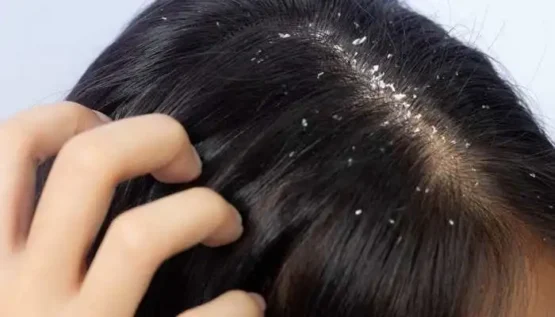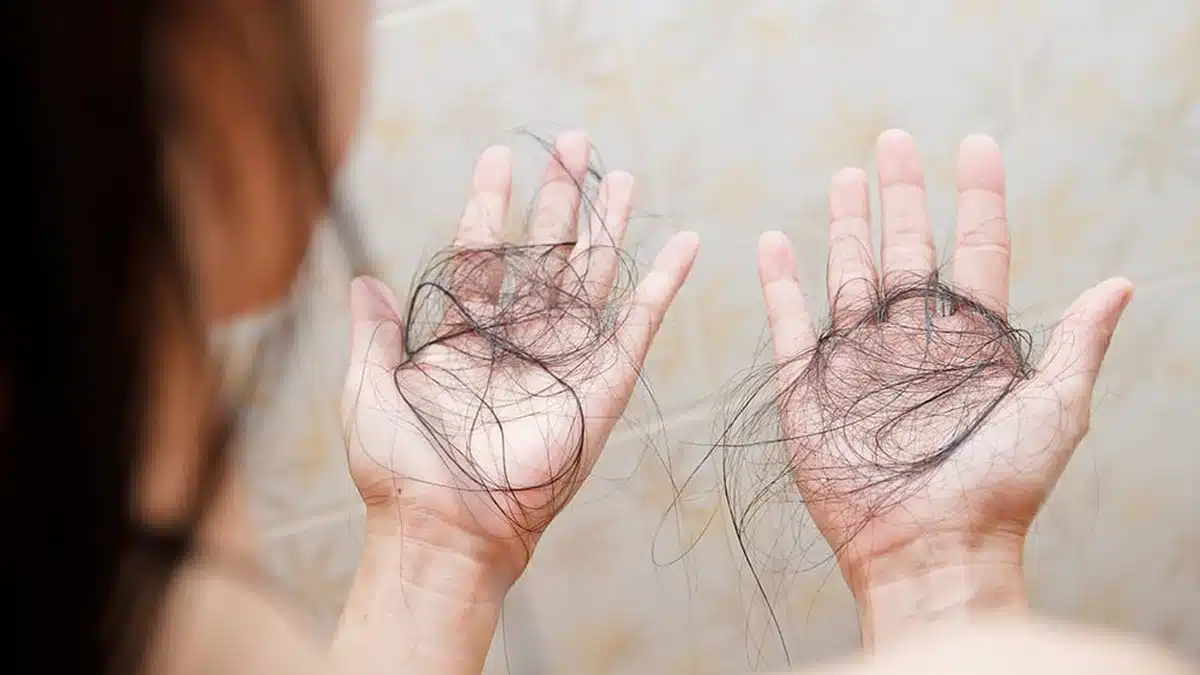
Most of us will panic when we notice a clump of hair on our pillow or wrapped around the shower drain. This leads us to conclude with hair loss, but what if it isn’t actually hair loss? Sometimes the problem is simply hair breakage and the solution is completely different.
To maintain our healthy hair begins with the right diagnosis of the problem. Instead of stressing out, a quick 2-minute quiz can help you understand the exact difference.
Before this quiz, let’s explore the fundamental differences between hair loss vs hair breakage. Understanding these basics will save you time, money and a lot of unnecessary worry.
What Is Hair Loss?
Hair loss, medically known as alopecia, that falls out from the root. Instead of spilting along the shaft, the follicle releases the entire strand. To understand this, we need to know about the natural hair growth cycle.
Every hair on our scalp goes through a growing phase, a transitional phase and a resting phase. At the end of the resting phase, the hair sheds to make room for new hair growth. Losing 50 to 100 strands a day is a completely normal part of this cycle. We may experience hair shedding when this cycle disturbed.
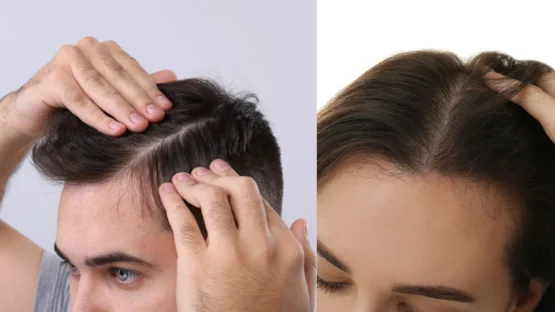
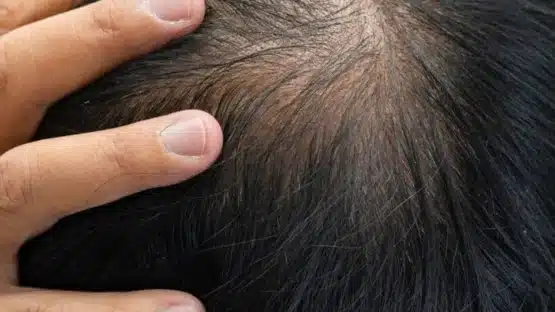
The most common causes of hair loss include genetics, hormonal shifts, nutritional deficiencies, and chronic stress. Other factors like underlying illnesses or certain medications can also trigger heavy shedding. You might notice hair thinning around your temples, a widening part, or a general loss of density at the root are the visible symptoms.
What Is Hair Breakage?
Hair breakage is an entirely different challenge. The hair breaks in the middle rather than the root. This looks hair shorter, damaged and flyaways or severe frizz. Initially, physical trauma or severe dehydration causes hair breakage. When the outer protective layer of your hair (the cuticle) is weakened, the inner core loses its strength.
Heat damage is one of the biggest factors behind breakage of strands. Often using flat irons, curling wands and hot blow dryers completely removes the moisture from your hair. Chemical treatments like bleach, relaxers and harsh dyes also lead to severe hair damage.
Your daily styling choices play a huge role, wearing tight hairstyles like slicked-back ponytails puts immense tension on your delicate edges. Even overwashing your hair can strip away natural oils, leading to chronic dryness and a severe lack of moisture.
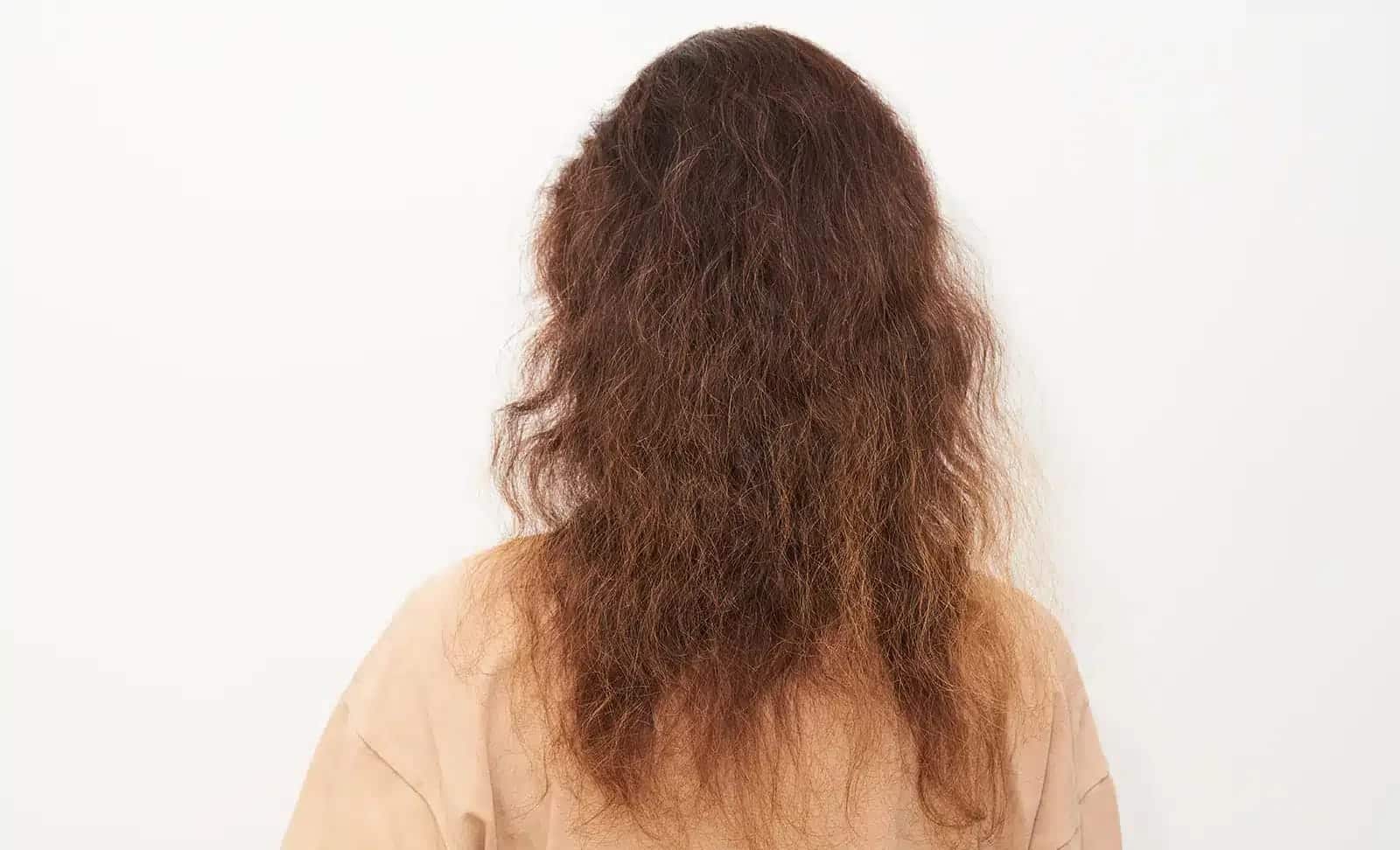
Difference Between Hair Loss & Hair Breakage
The next time you find loose hair, take the strands and examine the ends.
If you see a tiny, hard white bulb at one end, the hair falls from the root. This indicates hair loss. If both ends look blunt or split, the strand breaks in half. This is hair breakage.
| Feature | Hair Loss | Hair Breakage |
| Where it falls from | The root (at the scalp) | The hair shaft (mid-length or ends) |
| Root present? | Yes (a tiny white bulb) | No (ends are blunt or frayed) |
| Hair strand appearance | Full length, mostly smooth | Shorter, snapped, and rough |
| Hair length | Matches your overall length | Various shorter, uneven lengths |
| Common causes | Genetics, hormones, stress | Heat styling, bleach, rough handling |
| Scalp condition | Visible thinning or wider part | Scalp is usually completely unaffected |
| Pattern of hair fall | Diffuse thinning or receding | Short broken pieces near face or crown |
| Hair density | Feels thinner at the root | Root stays thick, ends look thin |
| Can it be reversed? | Often yes, by treating the root cause | Yes, by changing your hair routine |
| Best treatment approach | Diet, scalp care, medical help | Moisture, trimming, gentle handling |
How to keep Hair Healthy
- Eat a balanced diet: nutrient-dense whole foods treat your follicles from within.
- Increase protein intake: Your hair is primarily made of a protein called keratin, eating enough protein is non-negotiable.
- Boost Iron and Vitamin D: These two nutrients are critical for sustaining a healthy hair growth cycle.
- Practice stress management: High cortisol levels push your hair follicles into a resting phase. Try yoga, meditation or daily walks to relax.
- Prioritize scalp care: Keep your scalp clean and free of buildup to encourage new growth.
- Use hair growth ingredients: Incorporate proven ingredients like Rosemary oil or Mist Spray into your routine.
- Maintain consistency: Hair grows very slowly, so it can take months to see visible changes. Stay patient and stick to your routine.
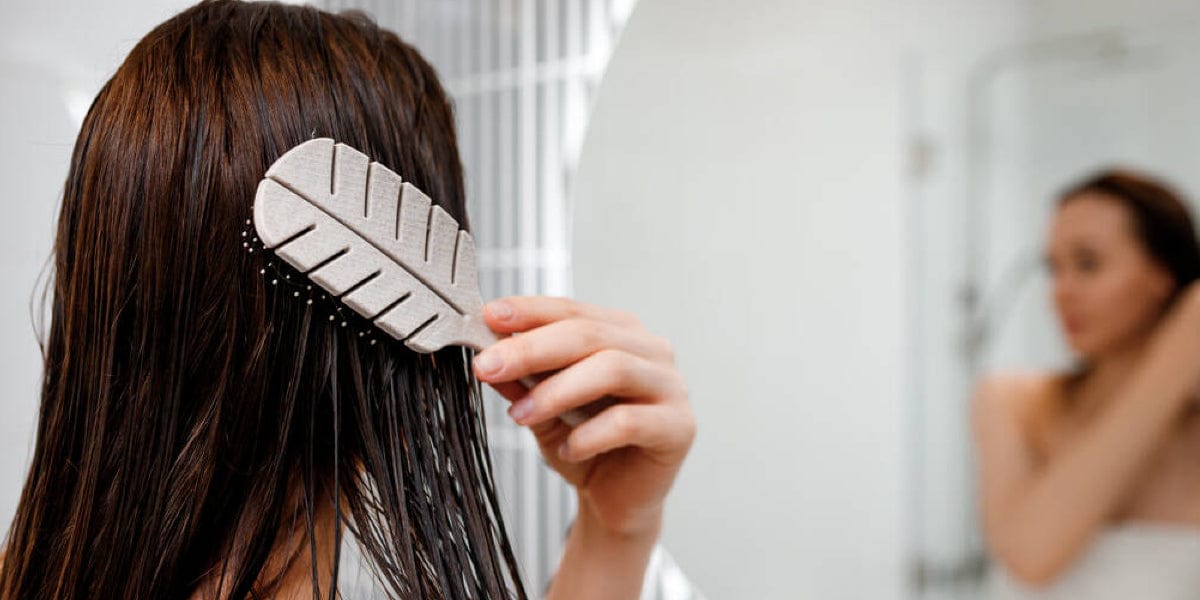
How to keep Hair stronger
A proper hair breakage treatment plan is all about extreme gentleness and maximum hydration. You need to stop the physical trauma that is causing your strands to split.
- Reduce heat styling: Take a break from hot tools.
- Trim split ends: Trim them off before they extend.
- Always use conditioner: Never skip conditioner after shampooing to lock in essential moisture.
- Apply weekly hair masks: Deep conditioning hair masks restore elasticity and prevent future snapping.
- Avoid tight hairstyles: do loose braids or gentle claw clips.
- Use a wide-tooth comb: Gently detangle wet hair
- Switch to a microfiber towel: Stop rubbing your hair with heavy bath towels. Gently squeeze out with a microfiber towel.
- Sleep on a satin pillowcase: Satin reduces friction, keeping your cuticle smooth while you sleep.
- Adopt a gentle hair routine: Treat your hair like delicate silk to stop breakage in its tracks.
Conclusion
Understanding this fundamental difference is the secret to fixing your hair woes.
Knowing whether your hair is shedding or splitting helps you choose the right hair care routine. It also prevents you from wasting time and money on unnecessary treatments that won’t fix your specific problem. Take a moment to understand your root cause before buying endless products or harsh treatments. Listen to what your strands are telling you, treat them with care, and you will be well on your way to your healthiest hair yet.
Still not sure! Get a personalized two minute ZYLK HEALTH Hair Care Quiz to discover your hair problem with a hair expert and start your hair care journey with confidence.
- How can I tell if my hair is shedding or breaking?
Look at the fallen strand. If it has a tiny white bulb on one end, it shed from the root. If both ends are blunt and the hair is short, it breaks.
- Is it normal to lose hair every day?
Yes, losing 50 to 100 strands of hair daily is completely normal and part of the natural hair growth cycle.
- Can hair breakage look like hair loss?
Yes, severe breakage can thin out the ends of your hair so much that it mimics the appearance of overall hair loss.
- Will broken hair grow back?
Yes! Because the root is still intact, broken hair continues to grow. You just need to prevent further snapping to retain length.
- Does stress cause hair breakage or hair loss?
High stress primarily causes hair loss by pushing follicles into a resting phase, rather than causing physical breakage along the shaft.
- Can a bad diet lead to hair breakage?
A poor diet mostly leads to hair loss from the root. However, a lack of nutrients can cause new hair to grow weak, making it prone to breaking later.
- Do tight ponytails cause hair loss or breakage?
They can cause both. Tension causes breakage along the shaft, and prolonged pulling can cause a type of hair loss called traction alopecia.
- How often should I trim my hair to prevent breakage?
Trimming your hair every 8 to 12 weeks helps remove split ends before they travel up the hair shaft and cause severe breakage.
- Should I see a doctor for hair breakage?
Breakage is usually fixed by changing hair care habits. You should see a doctor if you suspect hair loss, which involves shedding from the root and scalp thinning.