- You have no items in your shopping cart
- Continue Shopping

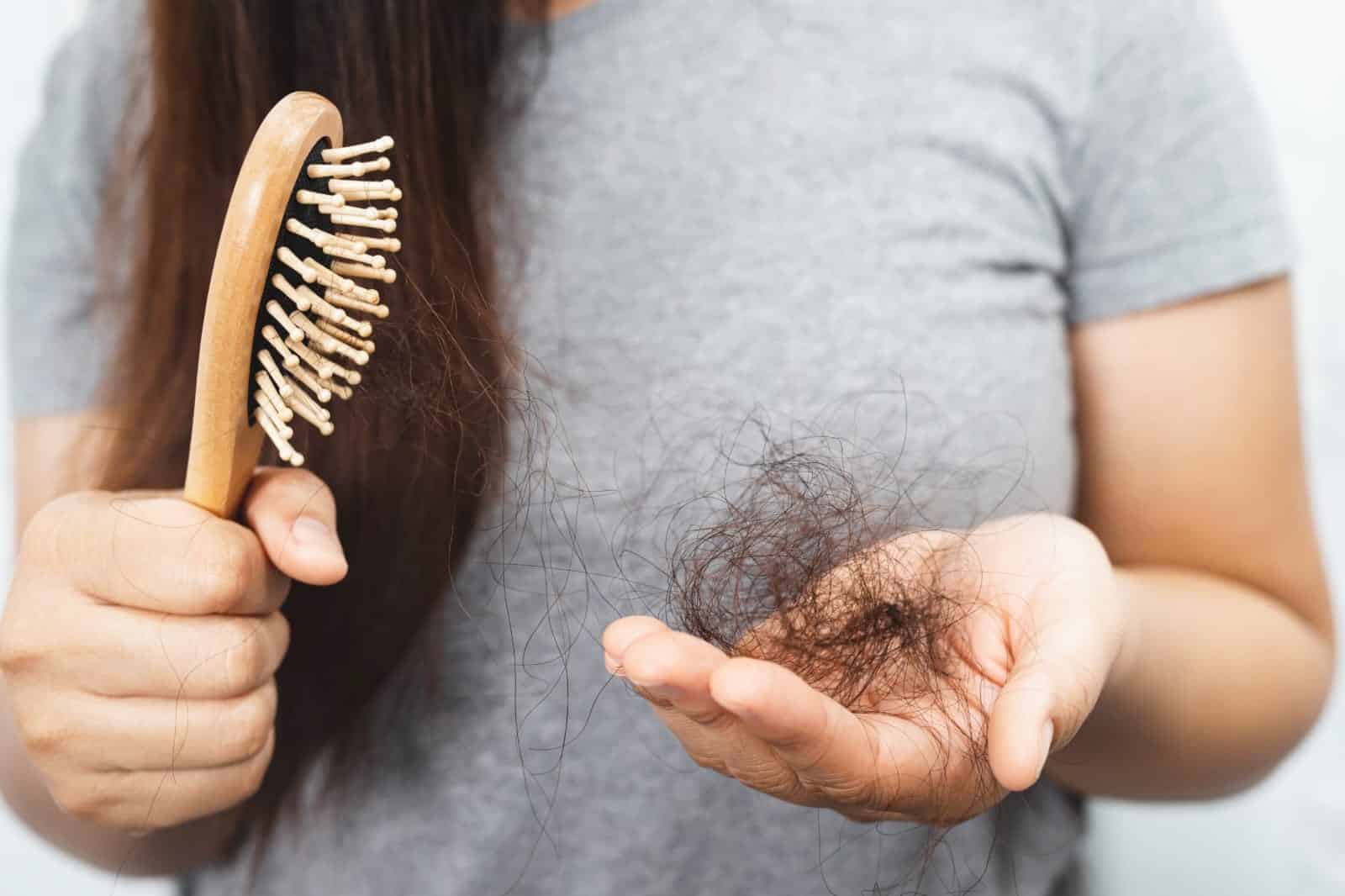
Finding extra hair in your hairbrush or noticing while showering can be a frustrating and stressful experience. The average person sheds anywhere from 50 to 100 strands of hair a day which is normal. Grown hairs fall out to make space for new ones. However, when you start noticing bald patches, a widening part, or clumps of hair falling out throughout the day, it crosses the line into excessive hair loss.
Finding a solution begins with identifying the root of the problem. Hair thinning rarely happens without a reason. Your hair acts as a reflection for your overall health and a sudden change in its thickness or texture usually points to an internal or external shift.
Let’s break down the five major hair loss causes so you can take the first step toward healthier, stronger hair.
Genetics and Hereditary Hair Loss
When analysing hair fall reasons, genetics is often the most common culprit. Known formally as androgenetic alopecia, hereditary hair loss affects both men and women as they age.
This condition occurs when you inherit genes that make your hair follicles overly sensitive to a hormone called DHT (dihydrotestosterone). Over time, this sensitivity causes the hair follicles to shrink. As the follicles get smaller, the hair growth cycle shortens. The hair that grows back becomes finer and shorter until, eventually, the follicle stops growing hair entirely.
The early signs of genetic hair loss look different depending on your gender. Male pattern hair loss usually begins with a receding hairline or a bald spot at the crown of the head. Female pattern hair loss, on the other hand, rarely results in total baldness. Instead, women typically notice overall hair thinning, especially a widening of the part at the top of the scalp.
While you cannot change your genetics, recognizing these early signs is crucial. Catching hereditary hair loss early gives you the best chance to slow down the process and maintain the hair you have.
Hormonal Changes and Imbalances
Your hormones play a massive role in regulating your body’s functions, including your hair growth cycle. When your hormones shift or become imbalanced, one of the first physical symptoms is hair loss. Several different hormonal shifts can trigger hair shedding. For women, estrogen and progesterone help keep hair in its growing phase. When these hormone levels drop such as during menopause or shortly after childbirth, hair can quickly shift into the shedding phase. Postpartum hair loss is incredibly common, with many women experiencing significant shedding a few months after giving birth.
Other internal imbalances, such as thyroid disorders, can also disrupt hair growth. Both an overactive and underactive thyroid can interfere with the body’s metabolism, leaving hair follicles without the energy they need to produce new strands. Polycystic Ovary Syndrome (PCOS) is another major trigger, as it often causes an overproduction of androgens (male hormones) in women, leading to hair thinning on the scalp.
Stress and Lifestyle Factors
- There is a real connection between your emotions and your physical health. Severe emotional or physical stress leads to hair loss.
- When you experience a highly stressful moment like a major surgery, a severe illness, sudden weight loss or a difficult life transition, your body goes into survival mode. It temporarily stops hair growth. This condition forces a large number of hair follicles into the resting phase. It will react after two to three months by shedding all at once.
- Daily lifestyle habits also impact your hair strength. Poor sleep quality prevents your body from repairing cells overnight. Smoking restricts blood vessels, reducing the amount of oxygen and blood flow that reaches your scalp.
- Effective hair loss prevention often requires taking a hard look at your daily habits. Incorporating stress management techniques like exercise, meditation, and prioritizing a full night’s sleep can make a noticeable difference in your hair’s vitality.
Nutritional Deficiencies
A balanced intake is the foundation of healthy hair. When you lack vitamins, proteins and minerals, hair thinning is a common consequence. Here are three deficiencies to watch out for:
- Iron Deficiency: Iron helps your red blood cells carry oxygen to your cells, including your hair follicles. Without enough oxygen, the follicles cannot function properly, leading to shedding.
- Vitamin D Deficiency: Vitamin D is believed to play a crucial role in the creation of new hair follicles. Low levels of this vitamin are frequently linked to excessive hair loss.
- Protein Deficiency: Hair is made of a protein known as keratin. If you do not consume enough dietary protein, your body will simply stop growing new hair to conserve its supply.
Hair Care and Scalp Health
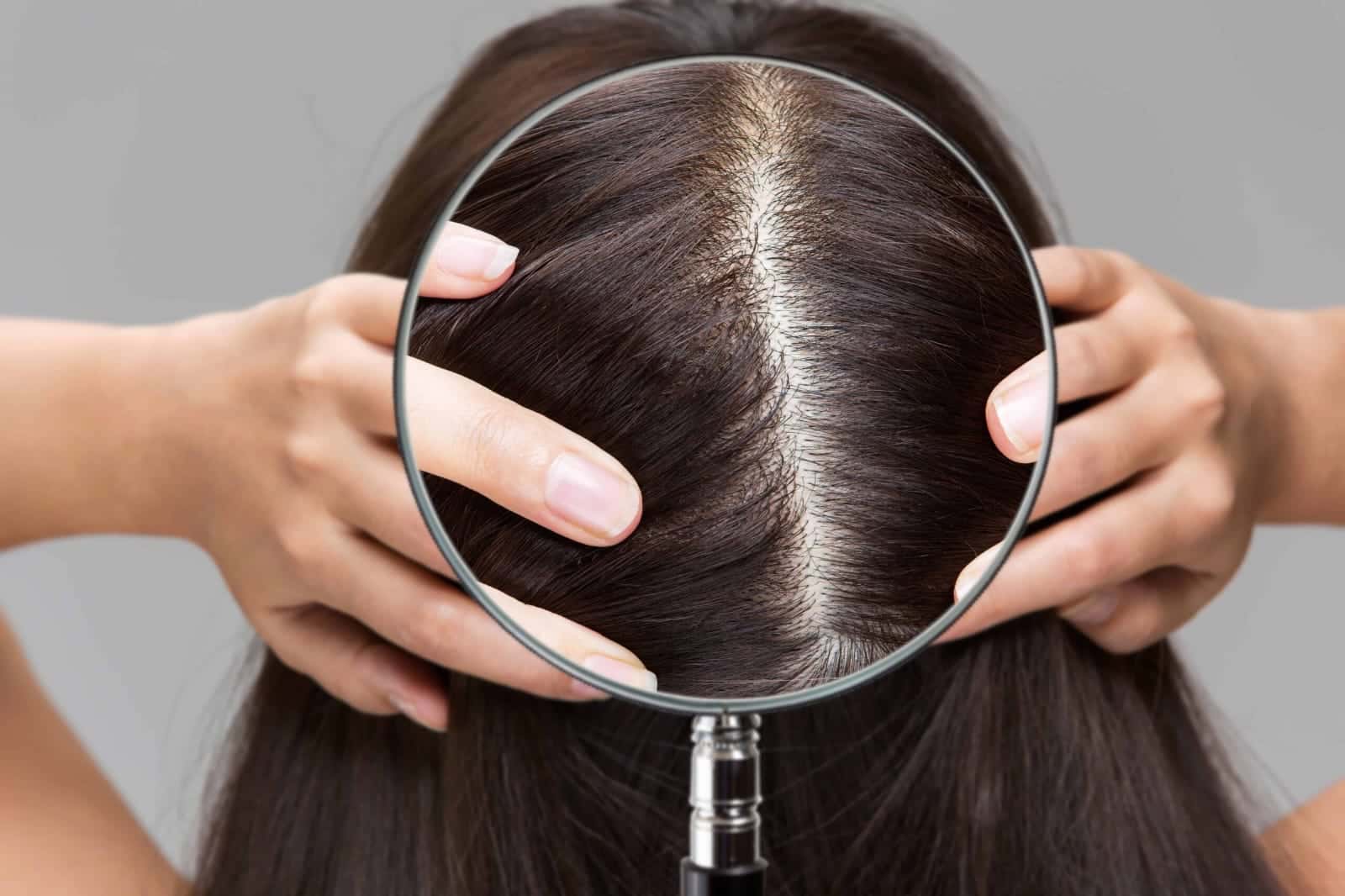
- Sometimes, the cause of hair loss isn’t internal alone. The way you style and treat your hair on a daily basis can lead to severe breakage and shedding.
- Constantly wearing your hair in tight hairstyles like tight ponytails, braids, or buns puts constant tension on the root. Over time, this physical pulling damages the follicle and causes a specific type of hair loss called traction alopecia. If caught early, this is reversible, but prolonged tension can cause permanent damage.
- Excessive heat styling and harsh chemical treatments (like bleach, relaxers, or perms) weaken the hair shaft, causing the hair to break off near the scalp.
Furthermore, poor scalp hygiene can choke your hair follicles. A buildup of natural oils, dead skin cells, and styling products can cause scalp inflammation, making it difficult for new hair to push through.
Conclusion
Understanding why you are losing hair is the only way to find an effective solution. While losing a few strands in the shower is normal, noticing a sudden or severe change needs a closer look.
Whether your hair loss is caused by your genetics, a hormonal imbalance, high stress levels, nutritional gaps, or harsh styling habits, there is no quick “miracle” cure for everyone because everyone’s underlying trigger is different. Effective hair care requires moving away from random remedies and taking a personalized approach to your scalp health.
Not sure what’s causing your hair loss?
Take the Zylk Health Hair Care Quiz to discover possible triggers affecting your hair and receive personalized recommendations tailored to your hair and scalp needs. Start your hair wellness journey today!
FAQs
What is the most common cause of hair loss?
The most common cause of hair loss worldwide is genetics, specifically a condition called androgenetic alopecia. It affects both men and women, usually presenting as a receding hairline in men or overall thinning in women.
Can stress cause excessive hair fall?
Yes. Severe physical or emotional stress can push a large number of hair follicles into a resting phase. This condition, called telogen effluvium, typically results in excessive hair shedding a few months after the stressful event occurs.
Does vitamin deficiency lead to hair thinning?
Absolutely. Your hair requires specific nutrients to grow strong. Deficiencies in iron, vitamin D, zinc, and protein are common hair fall reasons. When the body lacks these nutrients, it prioritizes vital organs over hair growth.
Is hereditary hair loss reversible?
While you cannot change your genetics, hereditary hair loss can often be slowed down or managed if caught early. A personalized approach focusing on scalp health and targeted ingredients can help maintain existing hair and support the follicle lifecycle.
How can I identify the cause of my hair loss?
Identifying the exact cause often requires looking at your family history, recent life events, diet, and daily styling habits. Taking an assessment, like the Zylk Health Hair Care Quiz, can help you pinpoint potential triggers and guide your next steps.